
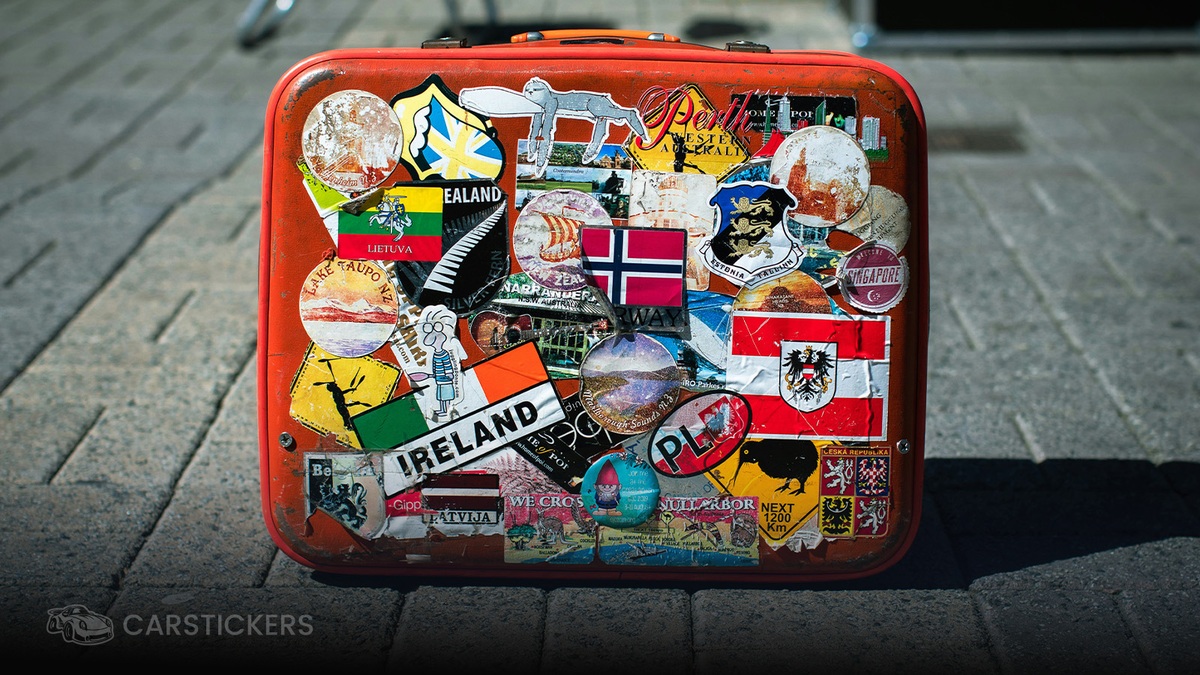
National Sticker Day honors the birth of R. Stanton Avery, who is widely considered the modern-day inventor of stickers thanks to the self-adhesive label he introduced in 1935. You’ve probably heard of his company, Avery Dennison Corp—the makers of classic Avery labels. National Sticker Day itself was officially established in 2015.
Stickers are everywhere today—from branding on water bottles and laptops to funny car decals and small business packaging. But where did these sticky little expressions actually come from?
As it turns out, the history of stickers is longer (and more fascinating) than you might expect. Let’s take a walk through time to see how stickers evolved from humble labels into a global design obsession.
Early Origins: Ancient Labels and Adhesives
Image sourced from Unsplash by: Andreea Munteanu
While they didn’t have holographic vinyl or peel-and-stick backings, ancient civilizations were no strangers to labeling and decorating surfaces.
Historians point to ancient Egyptian and Roman merchants who used early forms of labeling—writing on papyrus or parchment and attaching it to goods using primitive adhesives made from flour and water. These early “stickers” were functional rather than decorative, but the concept was the same: add a message to a product.
1800s: The Birth of Adhesive Labels
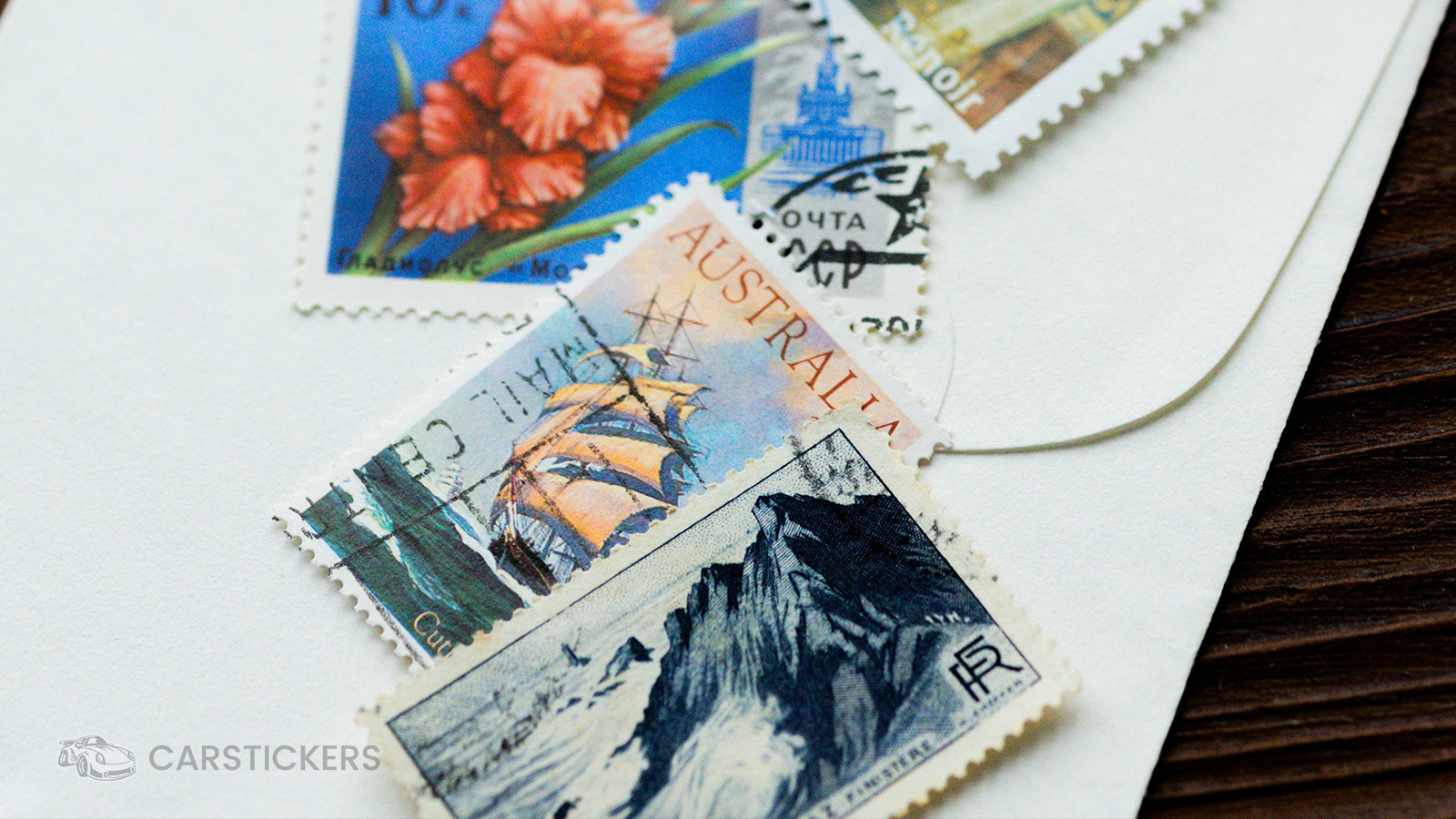
Image sourced from Unsplash by: Tolga deniz Aran
The true rise of modern stickers began in the 19th century, thanks to advancements in paper production, printing, and—most importantly—glue.
Some historians give credit to Sir Rowland Hill, the inventor of the postage stamp, who helped popularize adhesive paper so stamps could be easily affixed to mail. That innovation laid important groundwork for adhesive labels as we know them today.
By the 1830s and 1840s, labels were appearing on fruit crates, medicine bottles, and packaging, often printed with colorful designs to help products stand out. These became some of the first commercial pressure-sensitive labels that didn’t require moistening.
By the late 1800s, companies were using labels to brand everything from cigar boxes to canned goods.
1930s–1940s: The First “Stickers” Arrive
The word “sticker” didn’t gain widespread use until the 1930s, when manufacturers began producing gummed labels—the kind you had to lick—for advertising and scrapbooking.
The real game-changer came when R. Stanton Avery invented the first self-adhesive label and founded Avery Adhesives in 1935, using a die-cutting machine and adhesive-backed paper. This innovation revolutionized labeling and laid the foundation for modern sticker production.
Around this time, politicians and leaders also realized stickers could spread messages quickly and widely. During World War II, stickers became a powerful tool for spreading government messages and propaganda. After the war, they found a new role in political campaigns and protests—using bold slogans and striking visuals to promote causes and sway public opinion.
1960s–1980s: Stickers Become Pop Culture
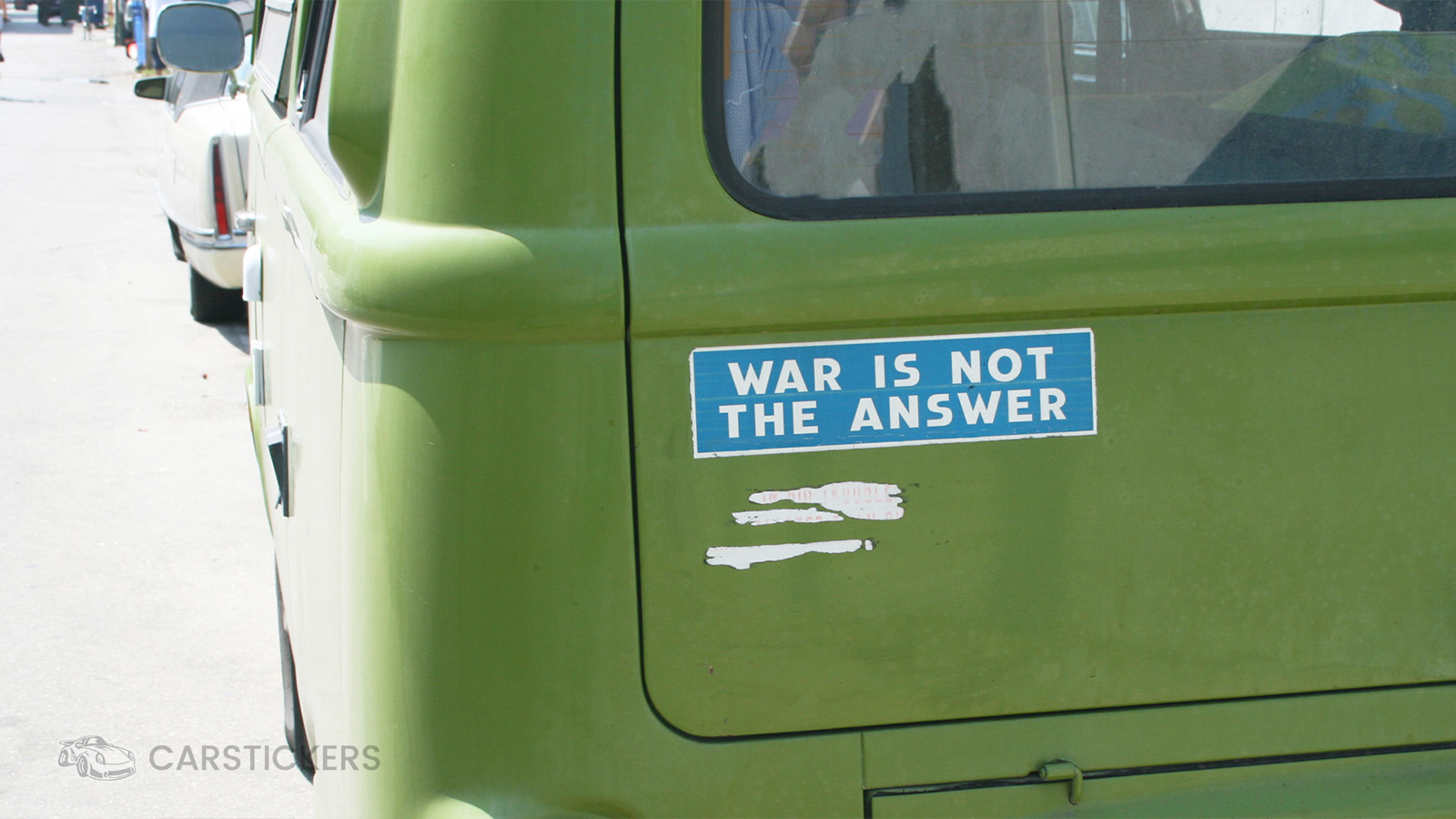
By the 1960s, stickers were no longer just functional—they had become tools of expression.
Kids’ sticker books became wildly popular. Scratch-and-sniff stickers were born. Political campaign stickers like “I Like Ike” became iconic. And bumper stickers exploded as a way for people to share personal beliefs, humor, and opinions on the road.
In the 1980s, brands like Lisa Frank and Garbage Pail Kids helped turn stickers into a full-blown collectible culture. Bright, bold, and expressive designs became a staple of childhood and teen identity.
1990s–2000s: DIY, Skate Culture, and Indie Design
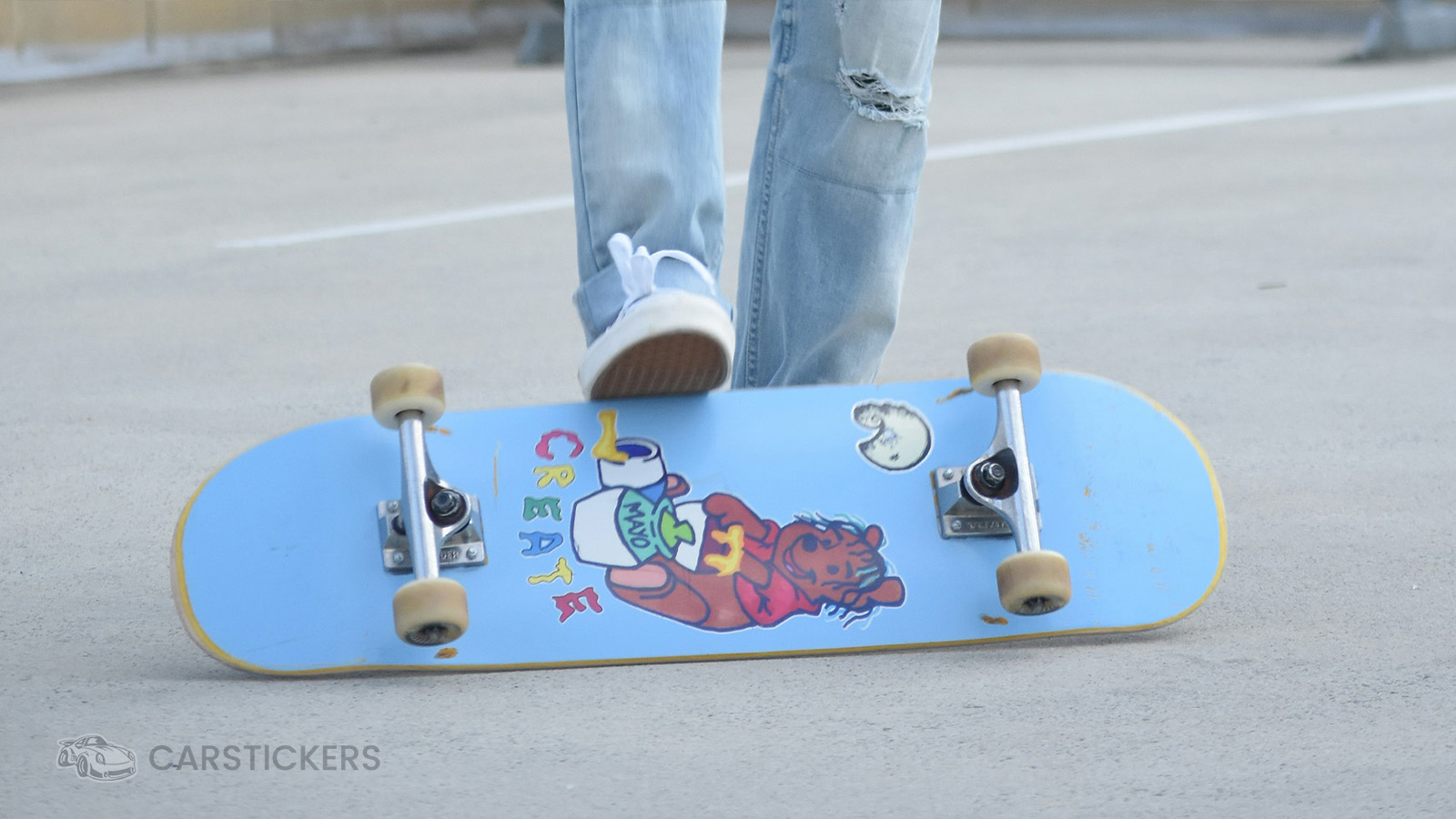
Image sourced from Unsplash by: Mikolaj Felinski
In the 1990s, skateboarding and street art culture embraced stickers as tools for tagging, branding, and guerrilla art. Vinyl die-cut stickers appeared on skateboards, helmets, storefronts, and street signs.
At the same time, home printers and early ecommerce platforms gave independent artists and small businesses the ability to create and sell custom sticker designs for the first time.
2010s–Today: The Sticker Renaissance
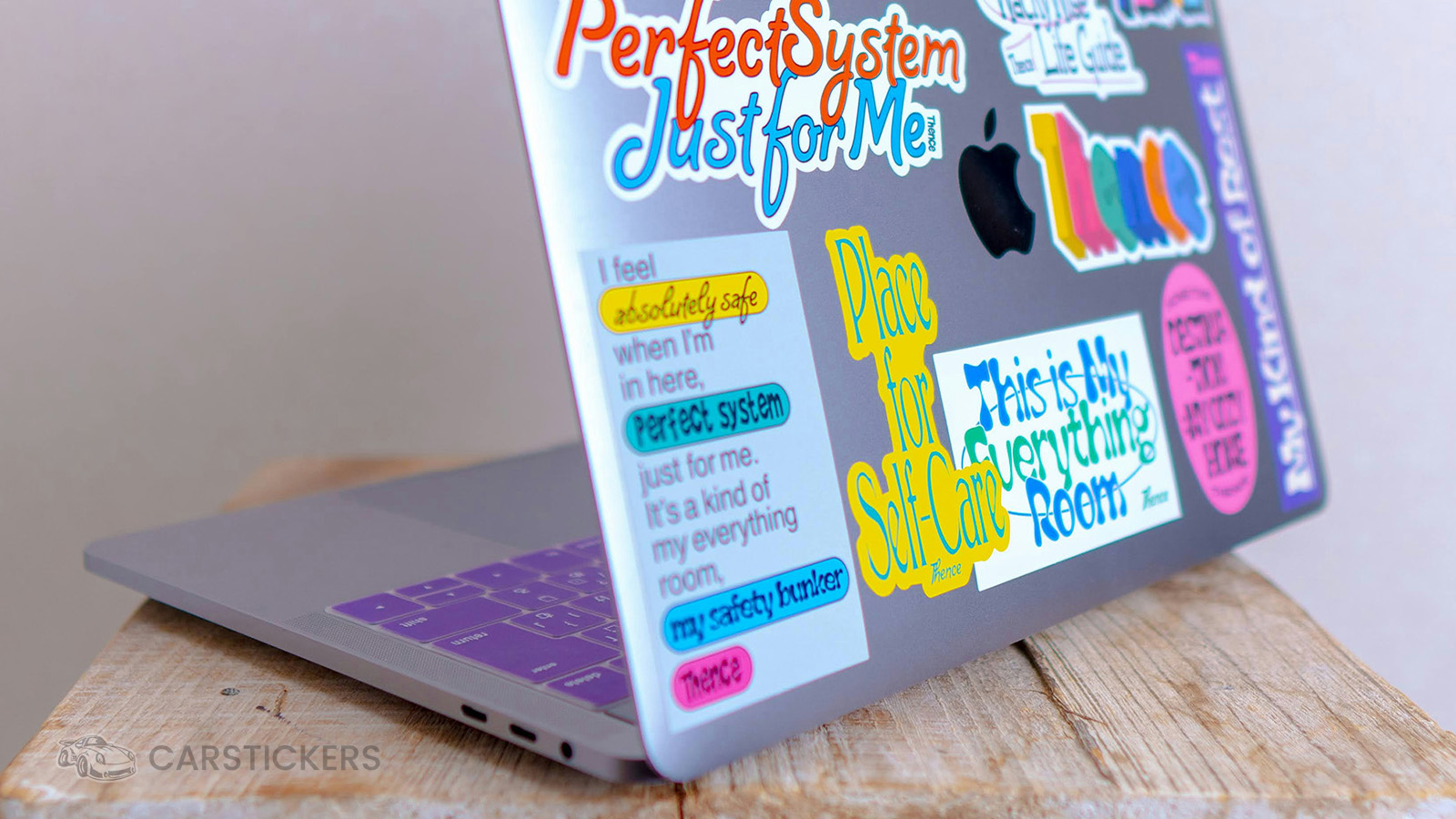
Image sourced from Unsplash by: Ogawa Hiromasa
Thanks to platforms like Etsy, Redbubble, and CarStickers.com, the sticker market has exploded over the last decade.
Artists can now upload digital files and sell custom designs with ease. Stickers are used for branding, journaling, activism, gifting, and self-expression. Individuals order stickers for personal items, businesses hand them out as marketing tools, and the creator economy continues to boom.
Scroll through Threads or social media and search “sticker,” and you’ll find countless artists selling their designs. Visit any craft fair or art market, and you’re guaranteed to see tables packed with creative, unique stickers.
Political stickers remain a major part of sticker culture—but today, they’re often driven by individuals rather than politicians. Because people can order even a single custom sticker online, stickers have become powerful tools for protest, advocacy, and personal political expression.
Nonprofits create bumper stickers for donors. Supporters and critics alike use stickers to express their opinions. Stickers have become small but mighty symbols of belief.
Specialty materials—like holographic, glow-in-the-dark, glitter, and wood veneer—have expanded creative possibilities even further. Social media has also pushed stickers into the digital world through Instagram Stories, emojis, and digital sticker packs.
Today’s sticker isn’t just a fun accessory—it’s a tiny canvas for self-expression, business, protest, and design experimentation.
Final Thoughts: A Sticky Future Ahead
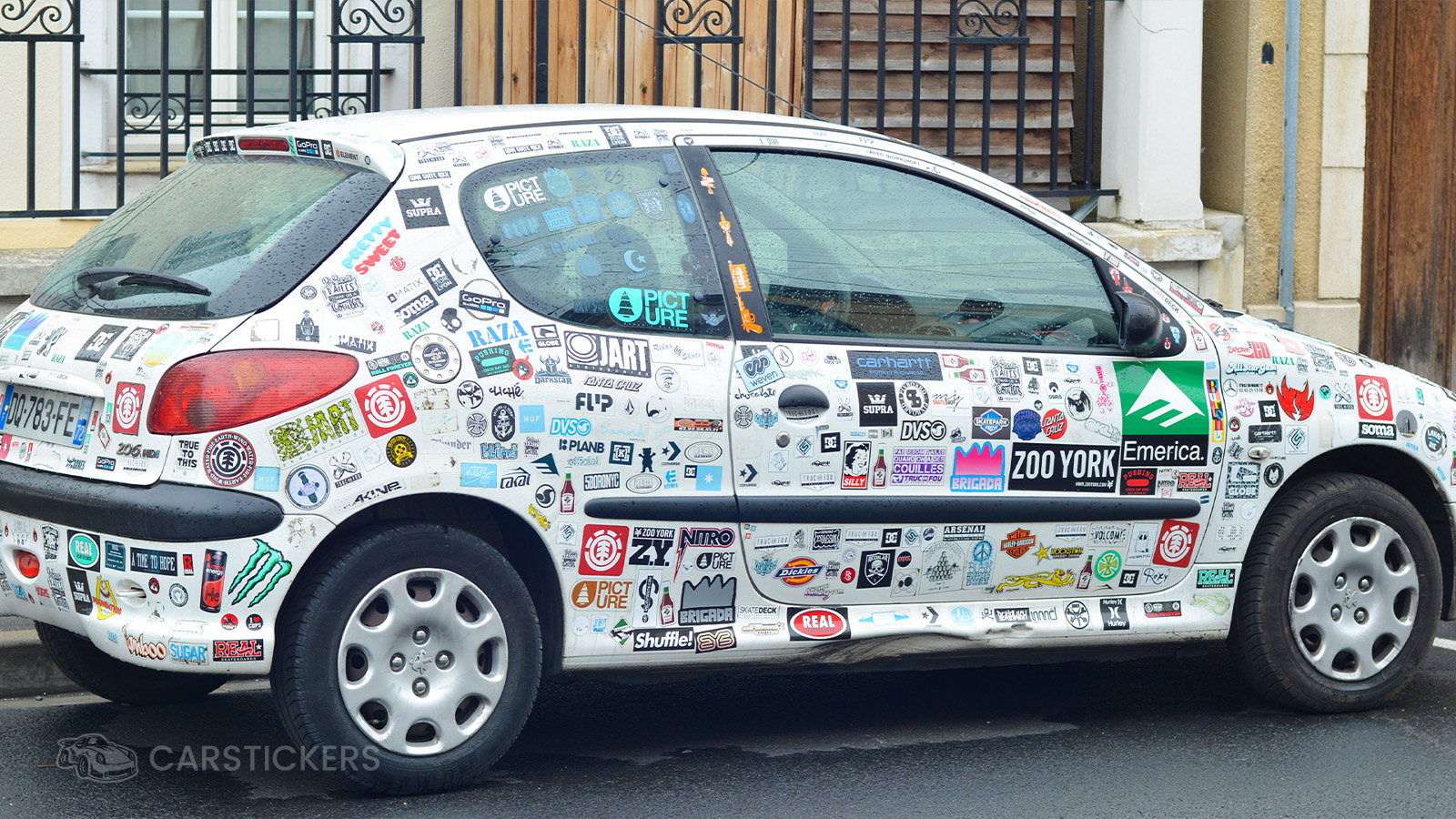
From ancient shopkeepers labeling jars to Gen Z covering their Stanley cups with neon stickers, the story of stickers is full of creativity, innovation, and personality.
While styles and materials will continue to evolve, one thing remains true—people will always find ways to express themselves through stickers.
So whether you’re a small business owner, an artist, or just a sticker fan at heart, you’re part of a long (and sticky) legacy.
Start designing your own custom stickers and stick your story wherever it matters.


