
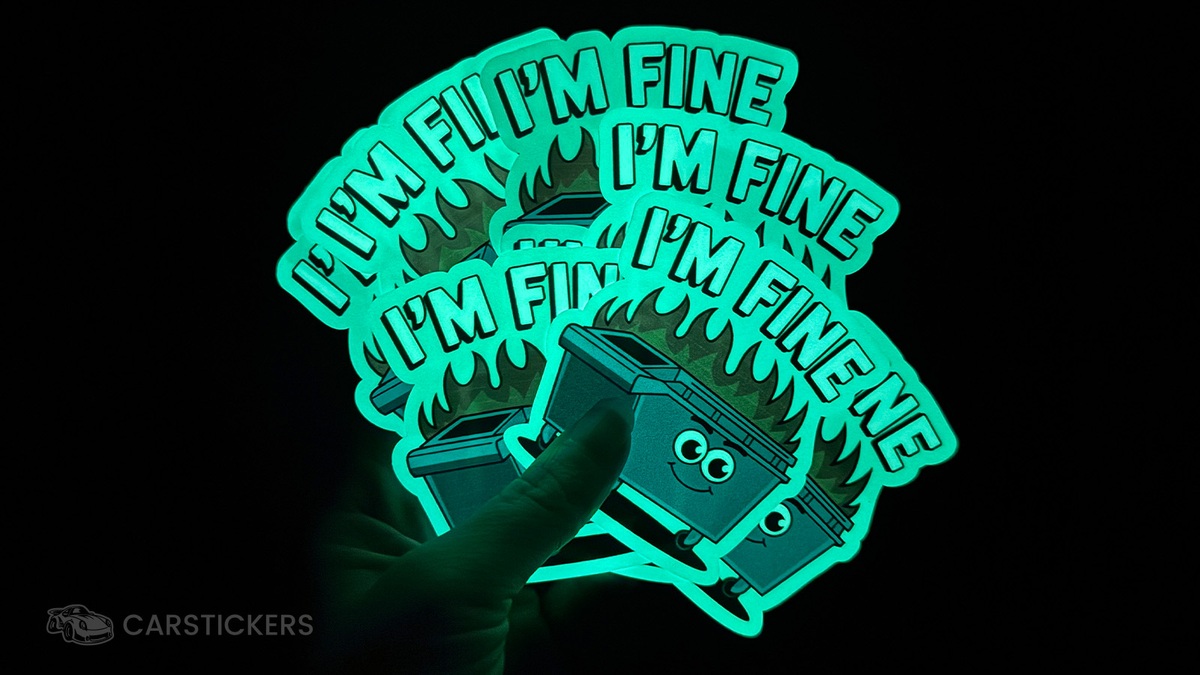
Glow in the dark materials instantly feel fun and nostalgic. They remind us of glow sticks at a concert, the nostalgia of moon and star stickers on your ceiling in the early 2000s, or the glow in dark vibes of a night at moon-rock bowling! Glow in the dark stickers are the perfect way to give your sticker designs a magical upgrade. And while these stickers feel magical, it’s actually science that makes them glow!
Most modern glow-in-the-dark stickers are printed on vinyl that relies on phosphorescence, a type of photoluminescence. Essentially, phosphorescence means the material absorbs energy from light and releases some of that energy slowly in the dark as visible light after the light source disappears. The delayed release is what causes the glow we see on glow in the dark stickers.
What Does “Glow in the Dark” Actually Mean?
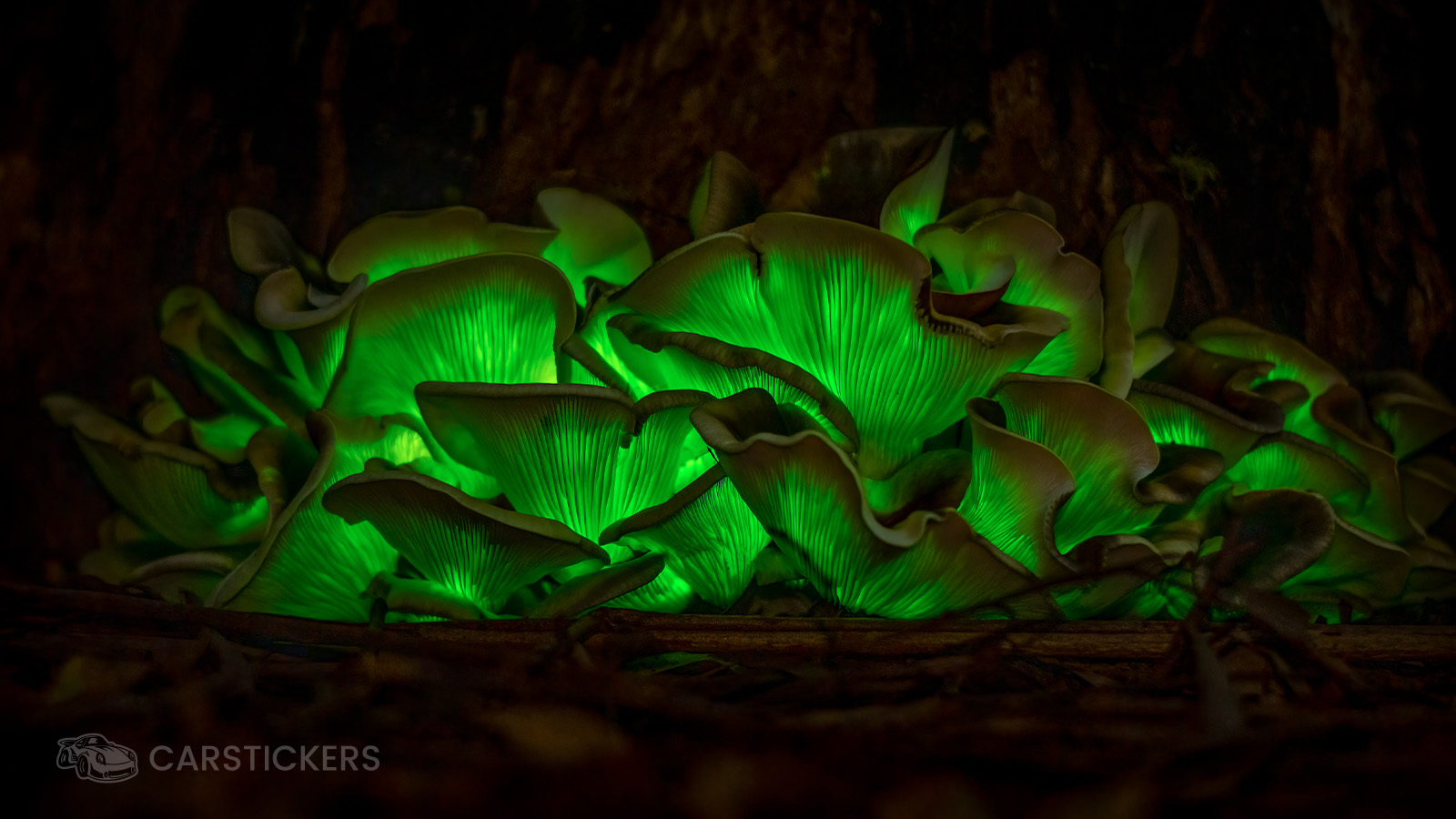
“Glow in the dark” is actually a more broad phrase than many realize. There are several different forms of luminescence that can produce a ‘glow in the dark’ effect (Source: Mary Bellis):
- Photoluminescence happens when a material absorbs electromagnetic energy and later emits light. Fluorescence and phosphorescence both fall into this category.
- Phosphorescence is the process most relevant to glow-in-the-dark stickers. The material continues releasing visible light after the activating light source has been removed.
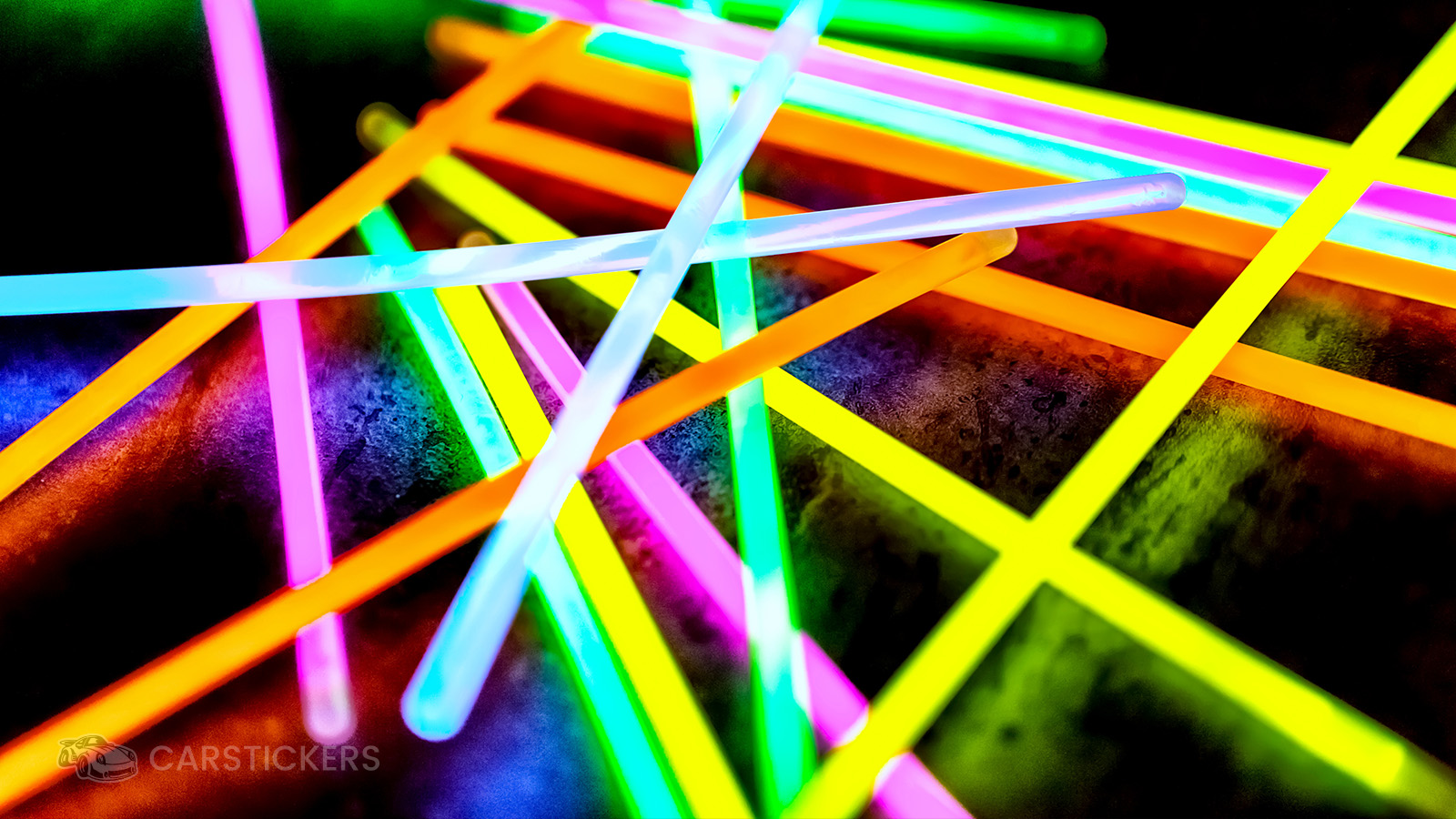
- Chemiluminescence creates light through a chemical reaction. Glow sticks are a familiar example.
- Bioluminescence is light produced through chemical reactions inside living organisms, such as fireflies and some deep-sea creatures.
- Radioluminescence produces light through interaction with ionizing radiation and played a role in some early self-luminous products.
These processes can look similar because they all essentially glow in the dark, but they work in very different ways. Glow-in-the-dark vinyl uses phosphorescence to glow. It needs to be activated by light first, it stores the energy, and then in the dark the energy is emitted as the glow we see in the dark.
A Brief History of Glow-in-the-Dark Materials
Long before we had glow in the dark stickers and vinyl, people discovered the glow in the dark phenomenon in nature. There are historical accounts of humans recording that they’ve seen ‘glow in the dark insects’.
“The oldest known written observations [of glow in the dark] were made in China, dating back to 1000 BCE regarding fireflies and glow-worms.” - Mary Bellis
Humans would find and take note of glow in the dark in minerals and other items in the Earth afterwards. Later on in the early 1600s, Vincenzo Casciarolo discovered “Bolognian Stones”. These stones were glowing because of phosphorus, and this discovery led to the study of photoluminescence.
“Italian Vincenzo Casciarolo described a "lapis solaris" (sun stone) or "lapis lunaris" (moon stone). The discovery was described in philosophy professor Giulio Cesare la Galla's 1612 book De Phenomenis in Orbe Lunae. La Galla reports Casciarolo's stone emitted light on it after it had been calcified through heating. It received light from the Sun and then (like the Moon) gave out light in the darkness.” - Anne Marie Helmenstine, Ph.D.
After that in the 17th century, phosphorus was first isolated in 1669 by German physician Hennig. He was trying to change metals into gold when he isolated the phosphors and learned of their glow in the dark capabilities. This paved the way for the glow in the dark we see today. Interest in the nature of phosphorescence and other types of luminescence eventually led to the discovery of radioactivity in 1896.
By the 20th century radium mixed with zinc sulfide was used to create glow in the dark paint which was used on watch dials, compasses, and other objects that people (often the military and navy) could use to see time and navigate in the dark. Unfortunately, radium was extremely dangerous and posed many serious health risks. As workers like, ‘The Radium Girls’ became ill and passed away from radium poisoning, environmental regulatory standards began to change.
The tragedies of the radium era played a huge role in modern day glow in the dark materials. They helped demonstrate how it can be used for a wide variety of things from seeing and navigating in the dark to medical advancements. Nowadays, modern glow in the dark products do not need radioactive materials to remain visible after the lights go out.
Glow sticks were created later on in the 20th century with a different process: Chemiluminescence. Once you mix the chemicals inside, the reaction causes the material to glow in the dark. This process tends to be a more popular choice for single use products.
Most modern day glow in the dark products (including glow in the dark stickers) use phosphorescence. The two phosphors chosen are: Zinc Sulfide and Strontium Aluminate. Now let’s get into how this works and why this is the most popular choice.
How Modern Glow-in-the-Dark Materials Work
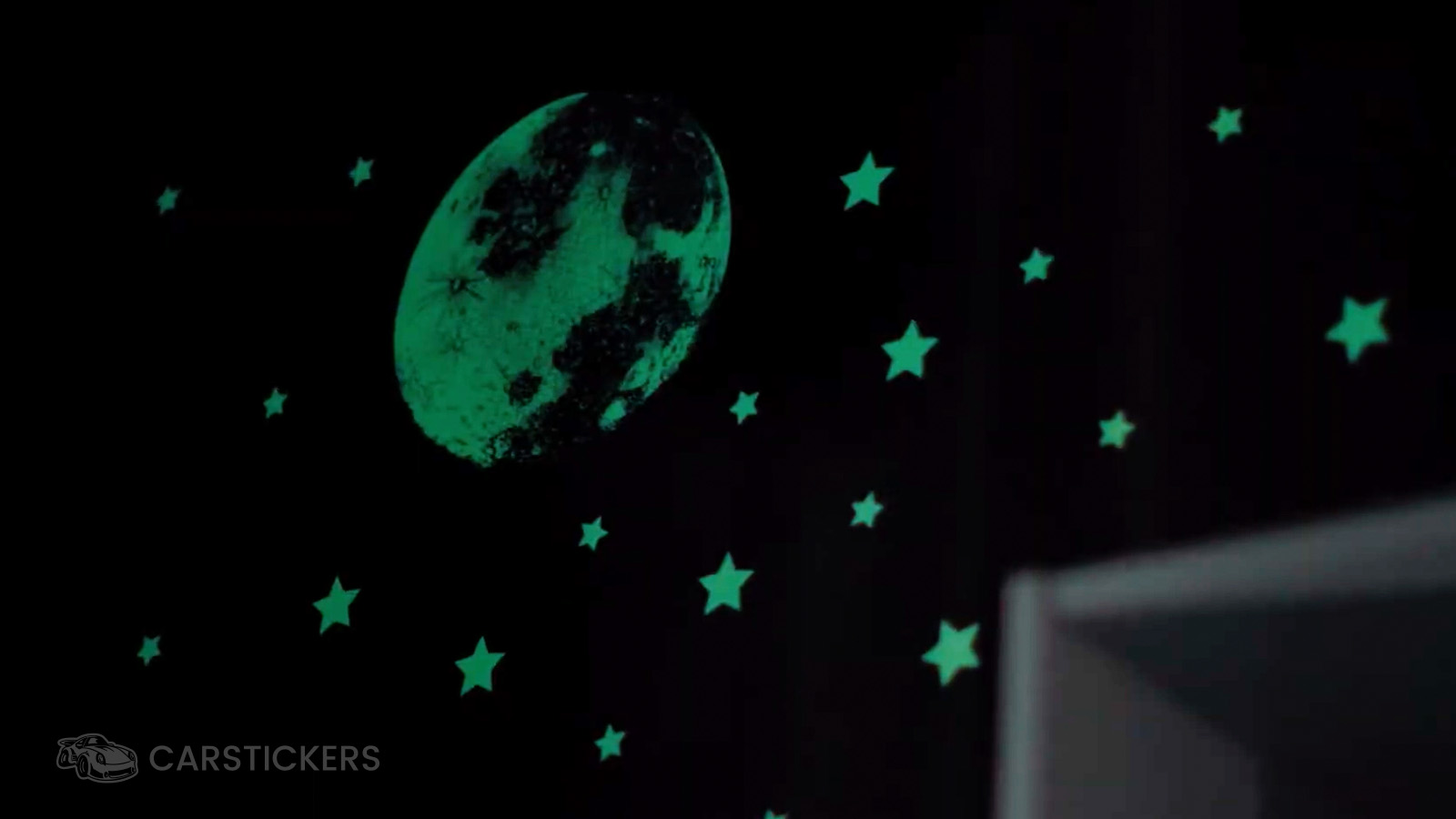
Phosphorescene is a temporary, energy-storage process. Light charges the material and energizes particles within it. Some of that energy is stored and then later released gradually when the lights go out. That is why we see the items glow.
This is also why we need to charge materials like glow in the dark vinyl. If the material is sitting in a dark room, there is no light source to activate it. You can expose the material to light with a flashlight, a phone light or even the sunlight and it will essentially activate the material. The glow is strongest directly when the material is activated and becomes dimmer as that stored energy is released. This material can be reactivated over and over again too. So it differs from items like glow sticks that are usually one time use.
Older glow products commonly used phosphors such as zinc sulfide but in recent history, glow products often use strontium aluminate. It became popular because it can create a brighter, longer-lasting afterglow. The exact chemistry of glow in the dark vinyl can vary by manufacturer and material, but the basic idea remains the same: absorb light first, release it gradually later.
Why Is Glow-in-the-Dark Material Usually Green?
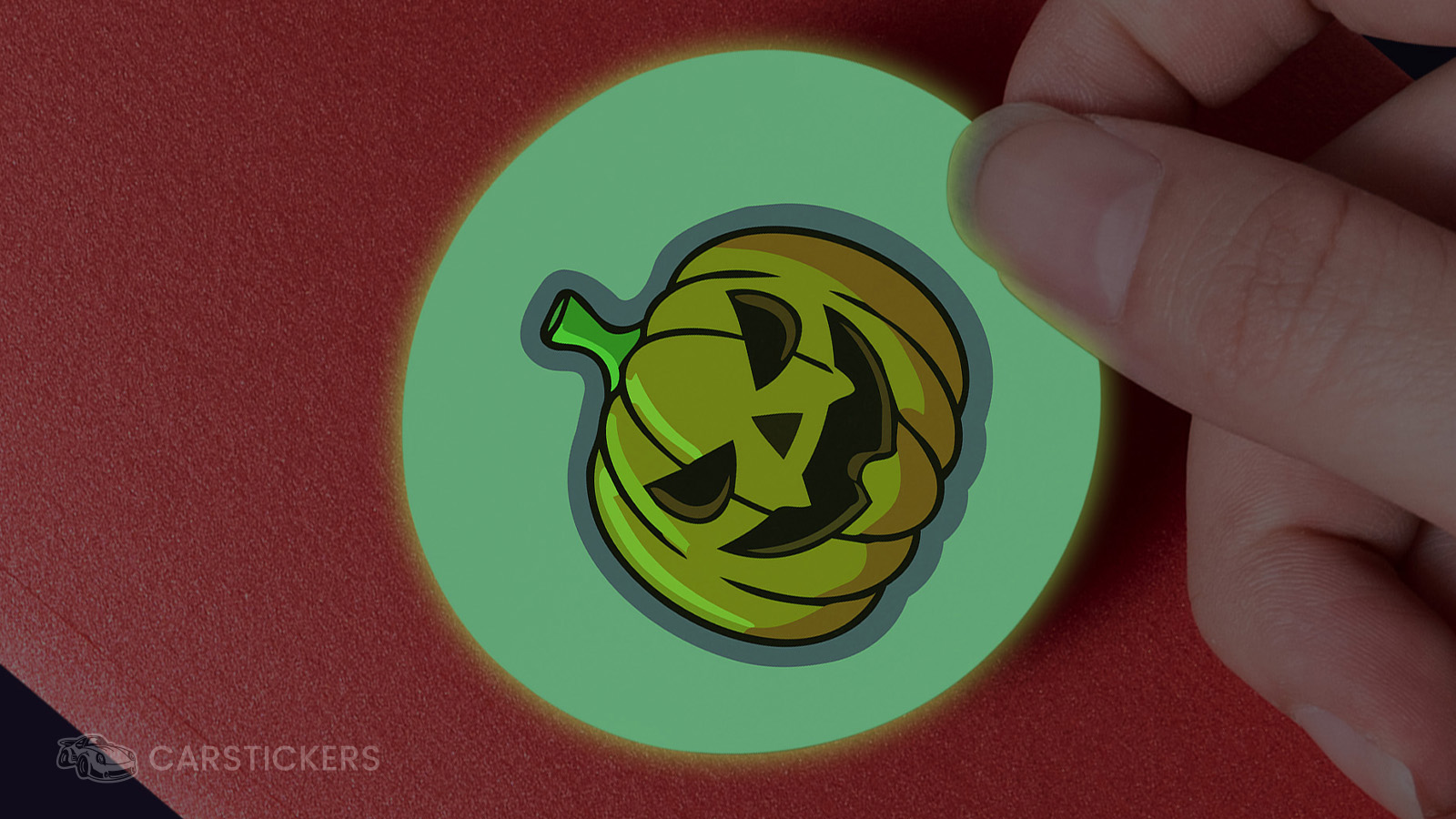
Have you ever noticed how glow in the dark materials all tend to be a greenish/blue tint? That’s because of science. Green light is especially easy for the human eye to detect under many conditions, so a green glow can appear brighter than other colors at similar light levels. Green-emitting phosphors are also widely used because they can provide a strong, persistent glow.
The daytime appearance can be very different from the nighttime effect. Phosphorescent materials are not typically bright white in the daytime. They may appear off-white or even a bit yellow-ish.
How CarStickers Glow-in-the-Dark Vinyl Is Made to Perform
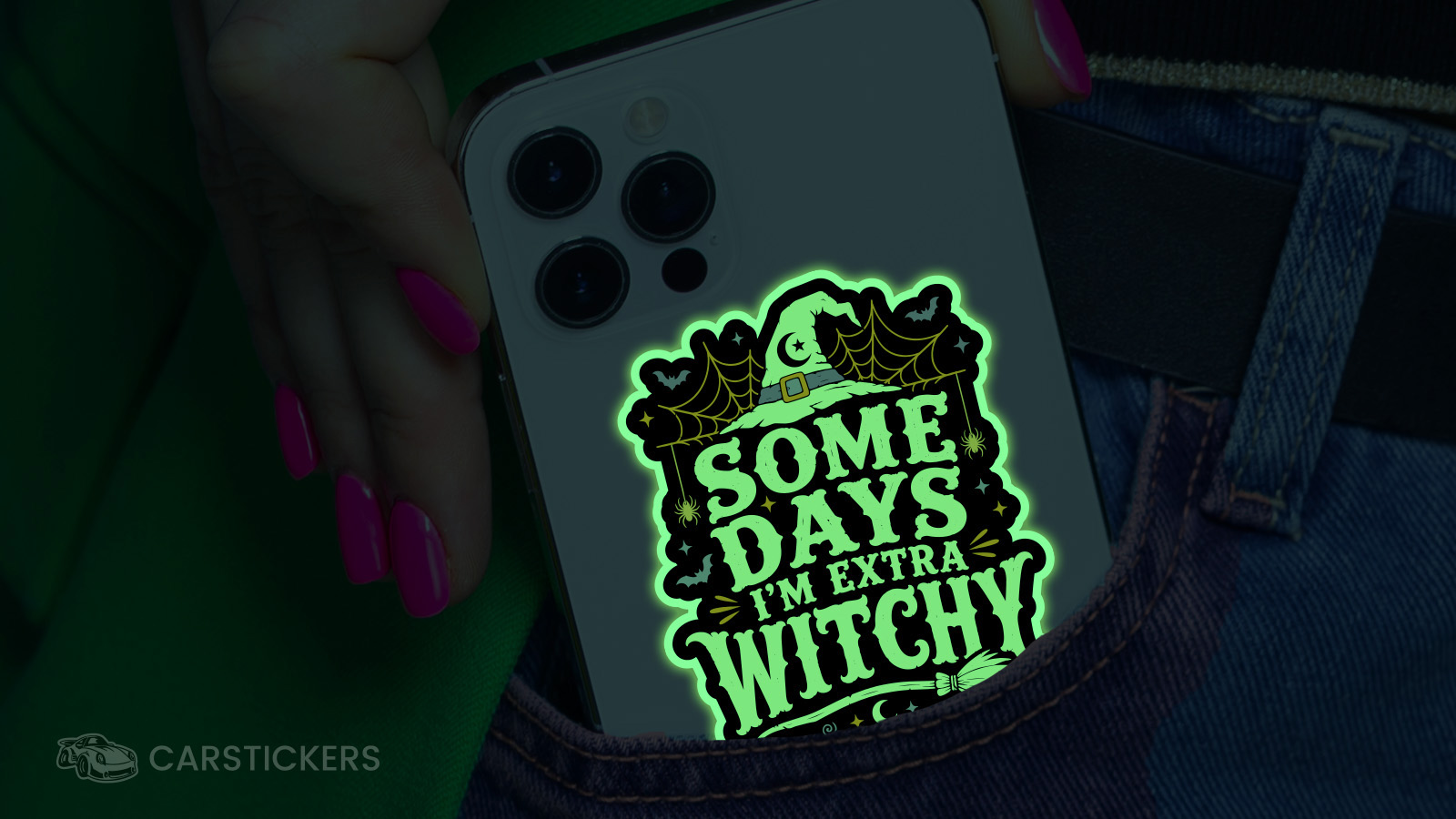
Here at CarStickers we offer custom printed glow in the dark stickers as well as cut out transfer glow in the dark decals. The printed stickers are printed with eco-solvent inks and receive a layer or lamination on top. You can choose between matte or gloss. This protects the ink and offers added durability to your printed stickers. Decals on the other hand do not need lamination since there is not print to protect.
Our glow in the dark vinyl is 6 mil thick. The material has a light yellow appearance in normal light. It uses a standard adhesive and is rated for up to five years of outdoor durability. Our glow in the dark material is cadmium-free and does not contain radioactive materials.
For the strongest visible effect, expose the finished custom glow in the dark sticker or decal to a light source before viewing it in darkness. Like other phosphorescent materials, the glow will be brightest after activation and will gradually fade until the material is exposed to light again.
Where Glow-in-the-Dark Stickers Work Best

Glow-in-the-dark stickers are most useful when the glow itself is part of the experience, design, or visual effect. At CarStickers you can create custom glow in the dark sticker sheets, circle stickers, die-cut stickers, decals and so much more! They can be a good fit for projects such as:
- Halloween and seasonal decorations: Add an after-dark detail to party favors, decorations, props, invitations, or event displays.
- Concerts, DJ events, and nightlife: Use glowing graphics, logos, or decorative elements where lighting changes are part of the atmosphere.
- Novelty branding and packaging: Create an unexpected reveal when a sticker moves from a bright environment into darkness.
- Personal gear and decorative accents: Add glow details to compatible smooth surfaces on cases, equipment, vehicles, or other belongings
- Low-light identification: Use the glow as a visual cue for non-critical labels or markers that may be easier to notice after the lights go out.
Glow in the Dark vs. Reflective Vinyl
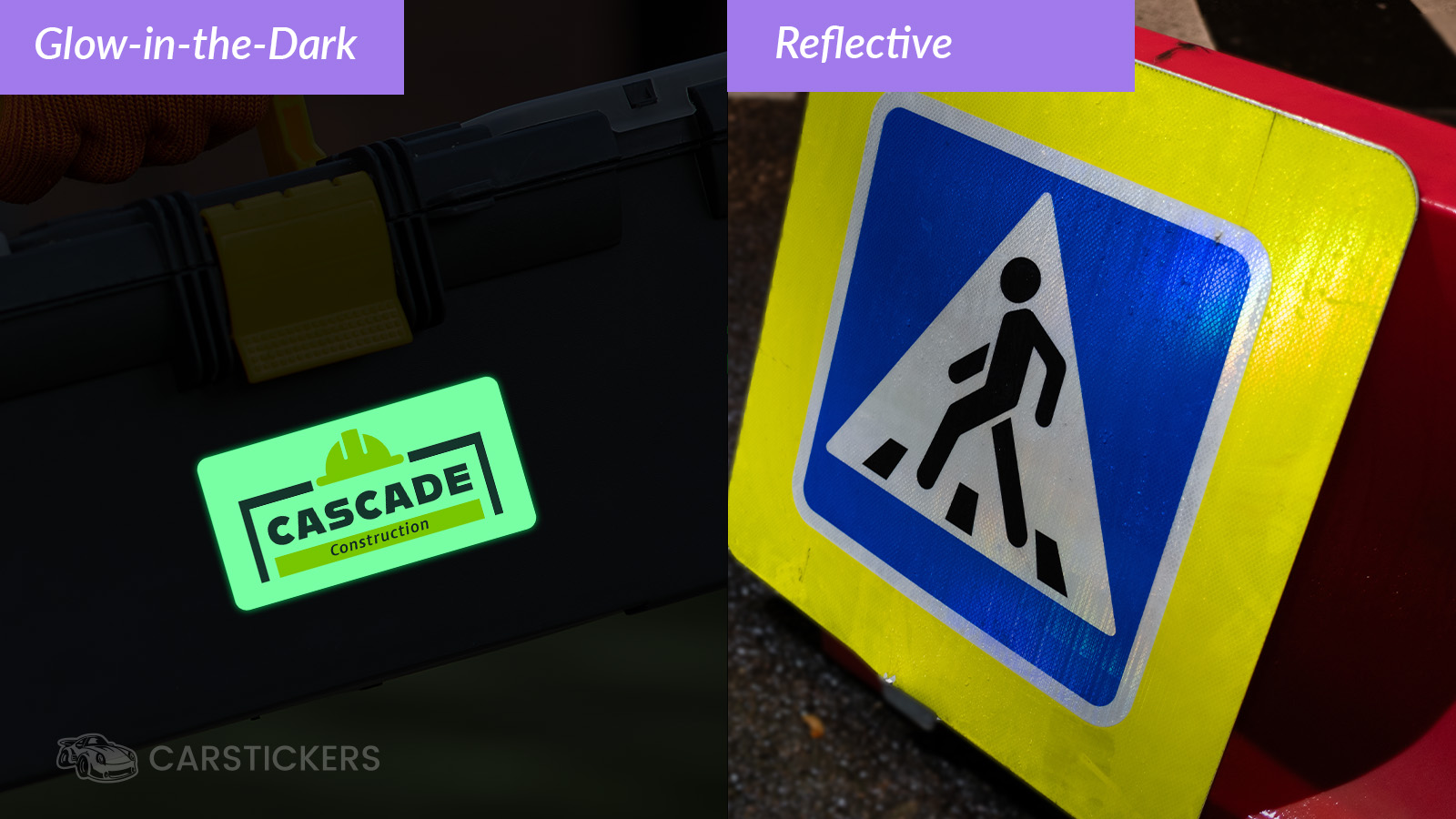
Glow-in-the-dark and reflective vinyl are often grouped together because both can stand out at night, but they behave differently. Glow-in-the-dark material must absorb light before it can emit an afterglow. Reflective material is designed to return incoming light, such as light from headlights or a flashlight, back toward the viewer.
That difference matters when choosing a material. Glow vinyl is a strong choice when you want an illuminated-looking effect after the lights go down. Reflective vinyl is the more relevant option when the goal depends on visibility while an external light source is shining on the graphic. Neither should be treated as a replacement for required lights, reflectors, or other safety equipment.
Why Order Glow-in-the-Dark Stickers from CarStickers?

CarStickers combines the specialty glow effect with flexible custom ordering. There is no minimum quantity, so you can make a single custom piece or order a larger batch. Free standard shipping is included on orders shipped within the United States, and CarStickers-branded products are manufactured at our Bend, Oregon facility, which operates with solar power that helps offset purchased electricity used during production.
If your design is meant to change when the lights go out, custom Glow in the Dark Stickers can add that extra layer of visual interest. Start with your own artwork or create a design online, then choose the size and quantity that fit your project. Ready to see your design glow? Start customizing your Glow in the Dark Stickers and create something that stands out even after the lights go out.
```


